

CLARK FREEPORT – The Department of Education has issued nationwide guidelines to protect learners, teachers, and school personnel from the anticipated 2026-2027 Super El Niño, with measures focusing on extreme heat, possible water shortages, and the continuity of learning and school feeding programs.
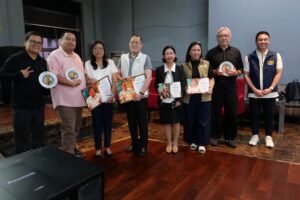
This was bared by DepEd Region 3 director Tolentino G. Aquino during the Talk to discuss forum of the Central Luzon Media Association-Pampanga Chapter on Nov. 12 at the Prism Bar at Widus Hotel here.
Aquino said that under DepEd Memorandum No. 064, s. 2026, dated Oct. 26, schools are directed to implement anticipatory actions and protective measures, notably a four-level response system known as the 4H Framework.

The framework categorizes school arrangements according to temperature conditions: Hayo (below 27°C) for regular face-to-face classes; Hinay (27°C–32°C) for shortened or hybrid classes; Hinga (33°C–41°C) for class suspensions and lighter home-based activities; and Hinto (42°C and above) for the suspension of all physical and home-based academic activities.
“Schools are also required to monitor classroom temperature and humidity three times daily and make decisions based on actual local conditions,” DepEd Angeles City Schools Division superintendent Ma. Irelyn Tamayo said.
Other preparations include providing safe drinking water, improving classroom ventilation, adjusting outdoor activities, and allowing breathable clothing to protect students from extreme heat.
To ensure learning continuity, schools must prepare printed self-learning modules, learning activity sheets, and alternative home-based arrangements, including educational resources through DepEd TV and radio.
Schools are likewise prohibited from requiring parents to shoulder expenses for cooling equipment, internet connectivity, or special clothing as a condition for flexible learning.
DepEd will also sustain school feeding programs through contingency menus, food buffer stocks, and coordination with local government units and farmers’ cooperatives to address possible food supply disruptions.
Environmental initiatives will be likewise be strengthened through the 35,000 Youth for Environment in Schools Organizations (YES-O), the Gulayan sa Paaralan Program, drought-resistant tree planting, rainwater harvesting, and water-saving agricultural practices. Through these measures, DepEd aims to safeguard the health and welfare of the education sector while ensuring that learning continues despite the anticipated challenges of the Super El Niño phenomenon. Punto News Team-PR/Photos: CLMA-Pampanga