

I’ve attended countless environmental activities over the years, from coastal cleanups to tree-planting drives. But a recent initiative in Pasay City reminded me that sustainability can also be deeply personal.
When Savoy Hotel Manila invited me to join its Plant a Sampaguita advocacy, I expected a straightforward environmental activity centered on preserving the country’s national flower. What I didn’t expect was how the visit would bring back memories from decades ago.
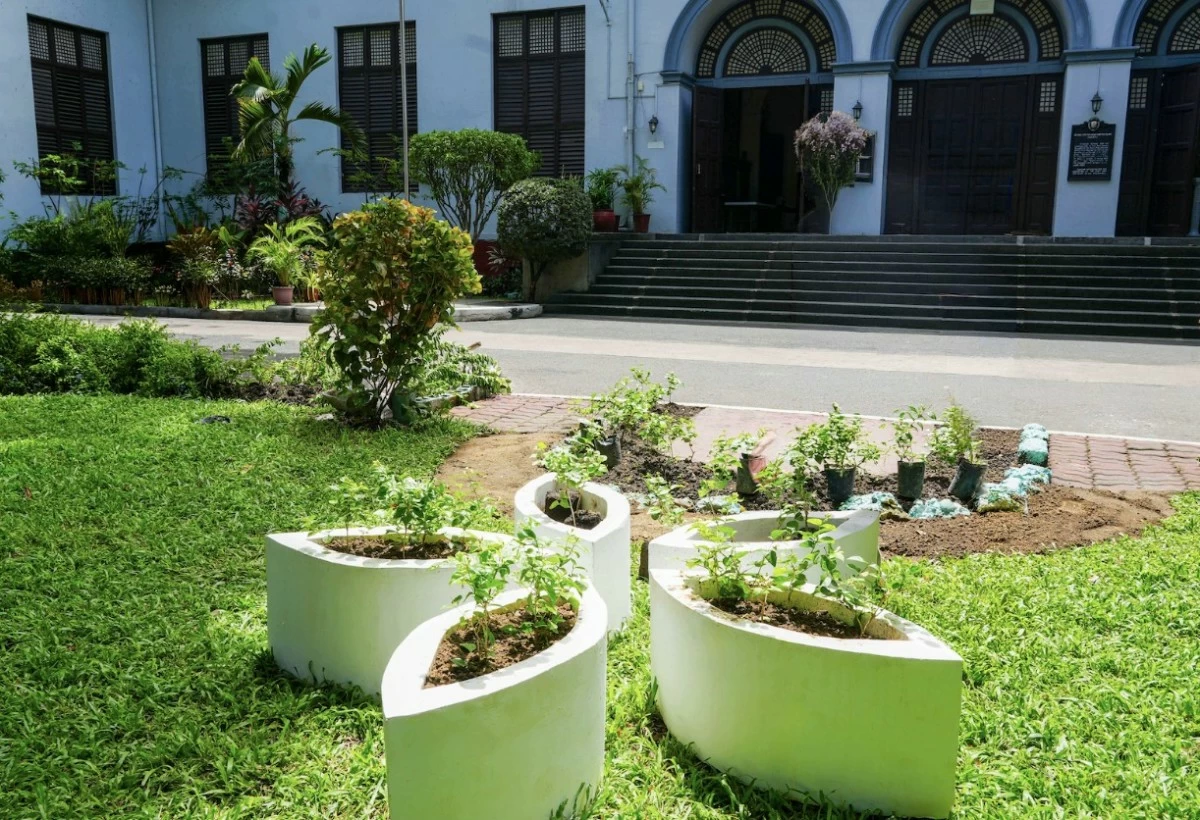
One of the stops was the Philippine School for the Deaf, an institution that has been serving the deaf community since 1907. Walking through its grounds felt surprisingly familiar. Years ago, it was a place my family visited frequently. My late brother, who was deaf, studied there before continuing his education at the College of Saint Benilde. We attended school events, picked him up after classes, and celebrated milestones there, including his graduation.
Returning to the campus after so many years was nostalgic. The buildings, the atmosphere, and the school’s enduring mission stirred memories of a chapter in our family’s life that remains close to my heart.
That personal connection made the day’s activity resonate beyond its environmental purpose.
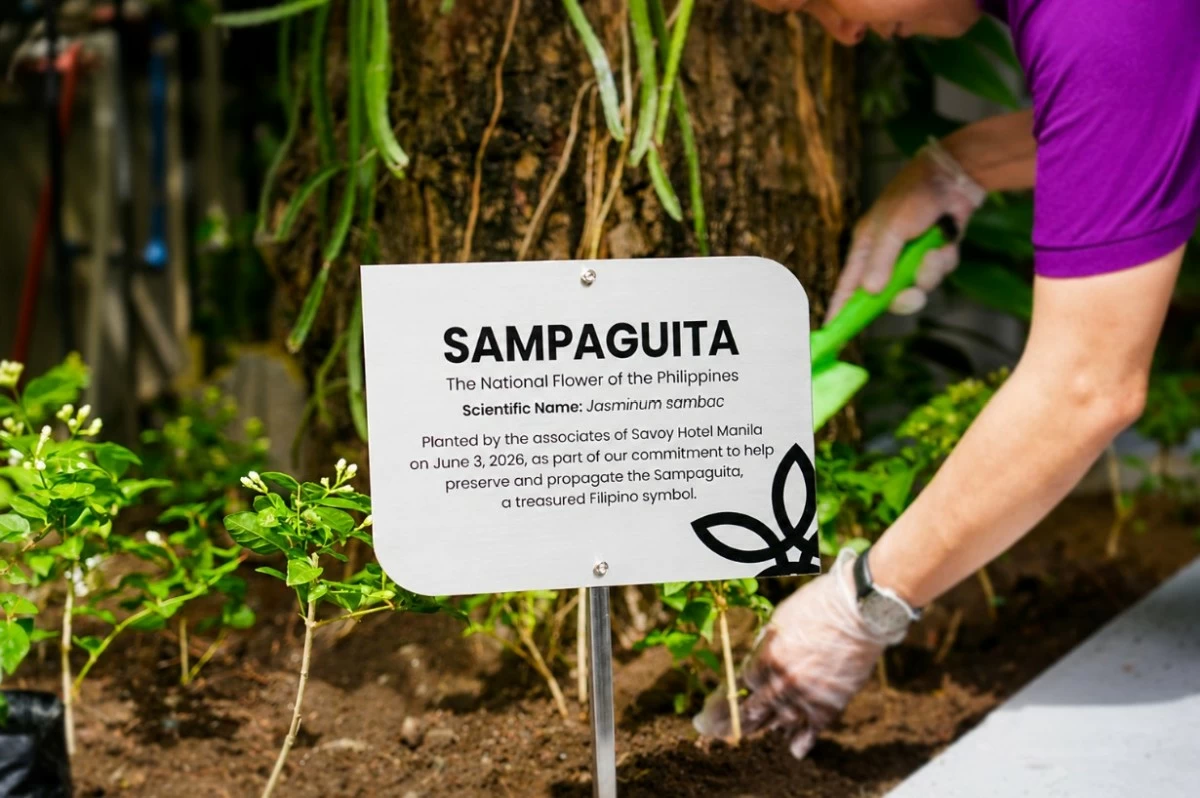
Leaders and associates of Savoy Hotel Manila planted sampaguita seedlings at both the Philippine School for the Deaf and the Unang Paaralang Bayan ng Pasay, one of the city’s oldest educational institutions. The initiative forms part of the hotel’s broader sustainability efforts under the MEGreen Program of Megaworld Hotels & Resorts.
At first glance, planting sampaguita may seem like a modest gesture. Yet the flower carries a significance that extends far beyond its delicate white blooms. Declared the Philippines’ national flower in 1934, sampaguita has long symbolized purity, humility, strength, and devotion, values deeply embedded in Filipino culture. Its fragrant blossoms have been woven into garlands used to welcome guests, honor heroes, and mark important occasions for generations.
Today, however, the flower is becoming less visible in many communities. As urban spaces continue to expand and native plants gradually disappear from everyday landscapes, preserving cultural symbols such as the sampaguita becomes another form of conservation.
What stood out most during the activity was how both schools embraced the project not merely as a gardening exercise but as a way to preserve a piece of Filipino heritage. At the Unang Paaralang Bayan ng Pasay, school administrators shared how the institution continues to serve as an Alternative Learning System community center, helping individuals complete their education through government-supported programs. Meanwhile, the Philippine School for the Deaf remains a testament to the importance of accessible and inclusive education more than a century after it was established.
In many ways, the choice of locations felt fitting. Heritage schools are not just places of learning; they are custodians of stories, traditions, and values passed on from one generation to the next. Planting a national symbol within these spaces creates a living reminder of that responsibility.
Environmental stewardship is often discussed in terms of carbon reduction, renewable energy, or waste management. These efforts remain critical. But sustainability also involves safeguarding the cultural and social threads that connect communities to their identity.
The newly planted sampaguita seedlings may be small today, but they represent something larger: the preservation of a national symbol, the celebration of inclusive communities, and a reminder that sustainability is also about protecting what defines us as a people. In the years ahead, those seedlings may grow into flowering shrubs, but their deeper purpose will remain the same: to ensure that the things we cherish continue to thrive.
As I watched the newly planted sampaguita seedlings take root, I was reminded that preserving heritage and protecting the environment are not always separate goals. Sometimes, the smallest acts of conservation help keep our stories alive.