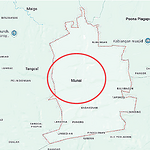

Across the country, there is a stark gap between the legal language and the reality on the ground. Many sites labeled as “sanitary” landfills operate as little more than neglected dumping grounds. The provisions of RA 9003, when compared with the actual state of waste sites, reveal a troubling scene: biodegradable scraps, recyclables, industrial waste, and medical debris are all mixed together, disregarding the crucial distinctions that affect both health and safety.
This merging of different waste types is not a trivial administrative error. It is a significant source of greenhouse gases. Methane forms at these poorly managed sites through anaerobic decomposition and escapes into the atmosphere, signaling a clear policy failure. As the climate crisis worsens, the most vulnerable communities suffer the greatest impacts, even though their contributions to the problem remain minimal.
Serious harm also occurs beneath the surface. Leachate, a toxic, chemical-laden liquid, seeps through the ground and reaches water sources. This process spreads contamination, damages fisheries, taints aquifers, and weakens the foundations of coastal livelihoods. Where rivers flow into the sea, the loss of healthy mangroves and dwindling fish populations force communities that once thrived on these resources to face hardship.
Public health is also deeply affected. When unsanitary dumps are located near densely populated, low-income areas, waste becomes a source of disease. Families living near these sites experience higher rates of respiratory problems, skin infections, and digestive illnesses. Those with the least political influence often face the highest levels of exposure and risk.
From a justice standpoint, the pattern becomes clear. Climate injustice takes a very real form in these communities. Waste management practices that shift burdens onto marginalized groups reflect the state’s abdication of its responsibility to protect all citizens. Pollution often follows existing lines of inequality, worsening poverty and increasing vulnerability from one generation to the next.
Another critical failure emerges in education. Municipal budgets tend to prioritize waste collection and disposal, leaving little funding for ongoing education and training that could help prevent waste in the first place. Investment in disposal technology often overshadows the need to foster habits that reduce waste production, and this policy choice carries significant ethical consequences.
Redirecting more solid waste funds toward public education, household segregation, and hands-on composting and recycling training could transform communities. Evidence from successful programs elsewhere shows that lasting change occurs when education efforts are continuous, culturally meaningful, and well supported. One-time campaigns or occasional seminars do not achieve the desired results.
The experience in Cebu offers a powerful lesson. Well-written laws and ceremonial signings do not, by themselves, change behavior or foster civic duty. When enforcement is weak and educational efforts are lacking, legal frameworks fail to prevent harmful practices.
Local government units play a crucial role and must be accountable for waste management. Shifting budget priorities is not merely an administrative matter. It is a moral choice. Funding dumping logistics while neglecting prevention sacrifices long-term stewardship for short-term convenience, putting future generations at risk.
Regulatory agencies, including the DENR, also bear responsibility. They must deny permits that violate environmental regulations and fully exercise their oversight authority. Approving projects that create more unsanitary sites undermines institutional credibility. Addressing this issue requires both technical expertise and strong political will.
Community members also play an important role. Practicing household segregation, advocating for separate collection, and holding officials accountable are effective civic actions. Sustained education and organized advocacy can influence municipal priorities and expand the possibilities in local governance.
This issue is not just about waste management. It is a call for intergenerational justice that recognizes the link among health, climate, and human dignity. The choices made today about budgets, enforcement, and civic education will shape the environment that future generations inherit. The well-being of children on these islands depends on a collective commitment to protecting the commons rather than allowing further damage.